The four-foot line that decides your build
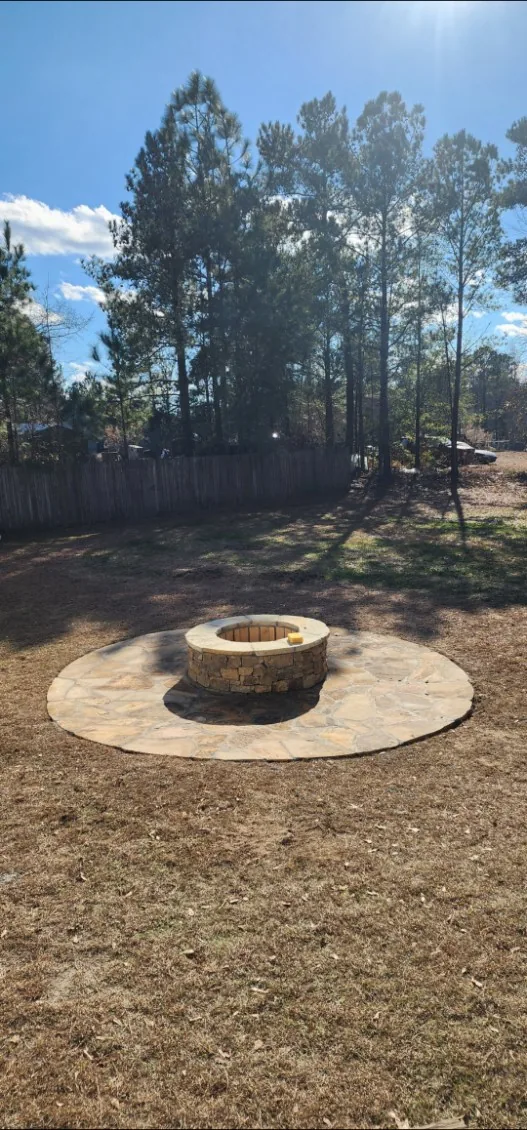
The single most useful number for anyone pricing a fire pit in Black Mountain is four feet. Under four feet in diameter, and typically under four feet tall, a freestanding stone or block pit is usually treated as a landscape feature and installed without a county permit. Cross that line, or tie the pit into a retaining wall or a built-in seat wall on a slope, and you have moved into a structure. In Buncombe County that can mean a building permit, sometimes a site plan, and on the steeper lots above the golf course, a letter from a licensed engineer confirming the wall behind your fire pit will hold the hillside.
Black Mountain sits in a bowl of terrain that makes this matter more than in flatland towns. A yard off Montreat Road that looks level from the driveway often drops four or five feet by the tree line. A fire pit cut into that slope is a retaining-wall project wearing a fire pit costume. Know which one you are buying before you compare quotes.
What actually drives the price here
Two Black Mountain yards can look identical from the street and price $2,000 apart. The difference is almost always access and grade. Stone has to reach the backyard, and a wheelbarrow run through a narrow gate on a slope costs real labor hours compared with a dump truck backing up to a flat lawn. Grade decides whether the pit sits on undisturbed soil or on a wall the crew has to build and pin first.
| Scope | Typical range |
|---|---|
| Precast kit pit on flat ground, owner-assembled finish | $900-$1,800 |
| Mortared block or stone pit, 3-4 ft, flat lawn | $1,800-$3,500 |
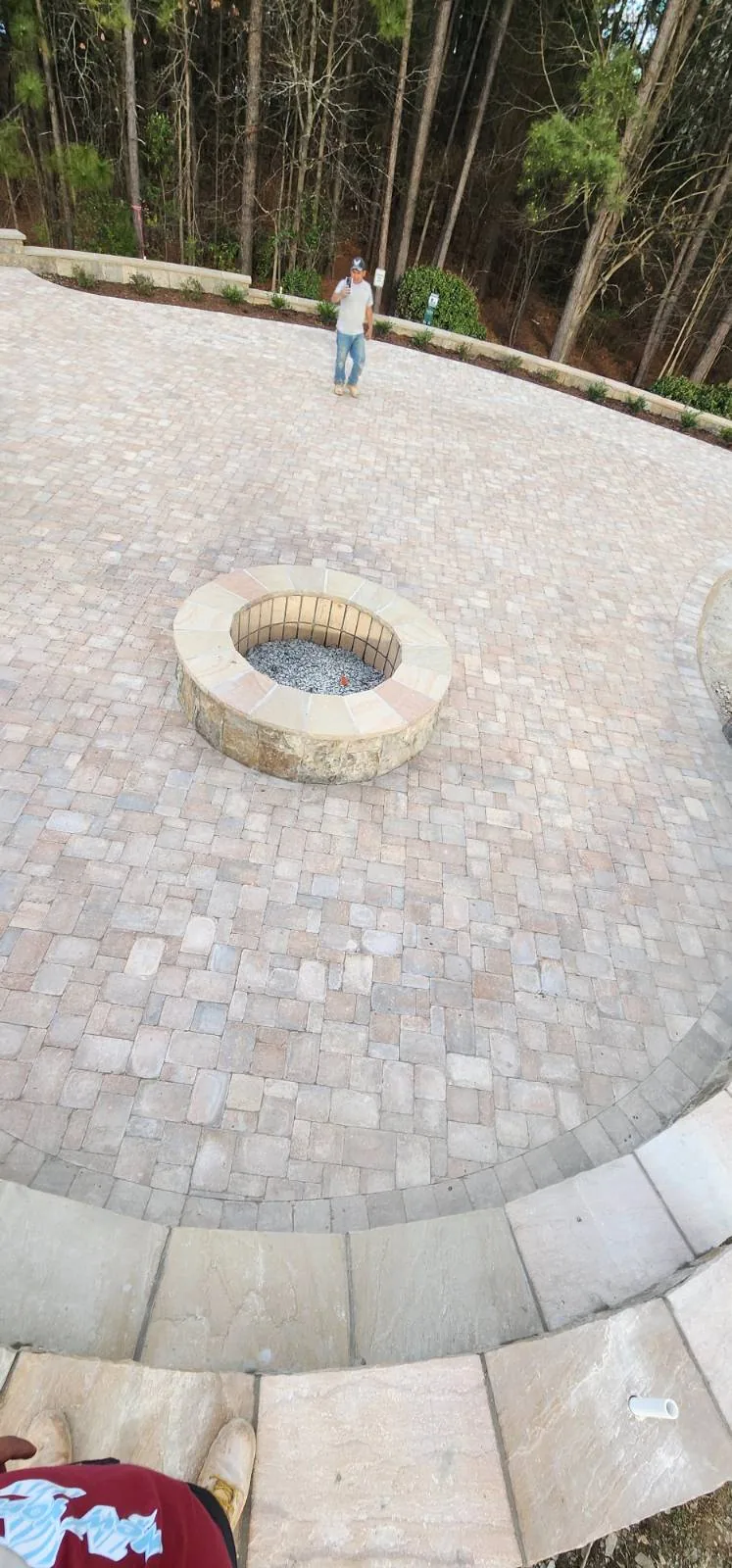
| Stone pit with elevated seat wall, flat or mild grade | $3,500-$6,500 |
| Slope build on a short retaining wall, permit + engineering | $6,500-$12,000+ |
| Gas line run to the pit (licensed plumbing work) | $700-$2,500 |
Gas is its own line item and its own trade. In North Carolina, running a gas line falls under the State Board of Examiners of Plumbing, Heating and Fire Sprinkler Contractors, so the person who sets your fire brick is rarely the person who legally taps the meter. A wood-burning pit skips that line entirely, but check any burn ordinances and dry-season bans before you commit to wood.
How Black Mountain's stone and slope shape the job
This is a town that built itself out of the rock under it, and the stone tradition is genuine. Local masons work with fieldstone and quarried material that reads as native rather than imported. That matters for more than looks: a mortared stone pit built from irregular local rock takes a skilled hand and more mortar than a stack of uniform block. Expect the labor to be the line item, not the material.
Terrain is the second constant. Much of Black Mountain is hillside, and hillside means water moving toward your patio during every summer storm. The federal record backs that up: 19 declared events touch Buncombe County across 1973-2026, overwhelmingly storm and flood family. If your fire pit sits in a low corner of the yard, drainage has to be solved before the first stone goes down, or you will be rebuilding the base in two years. See the county retaining wall cost picture for how much of your budget the wall behind the pit can quietly absorb.
Where the pit stops and the wall starts
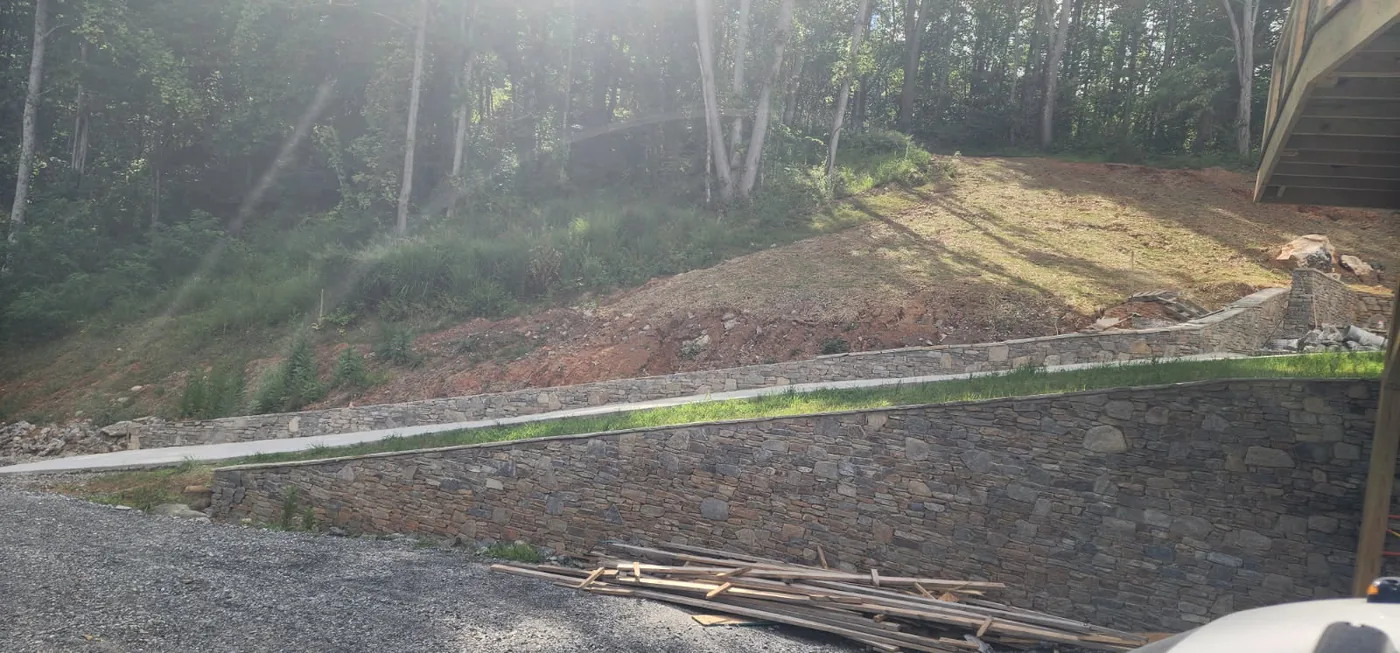
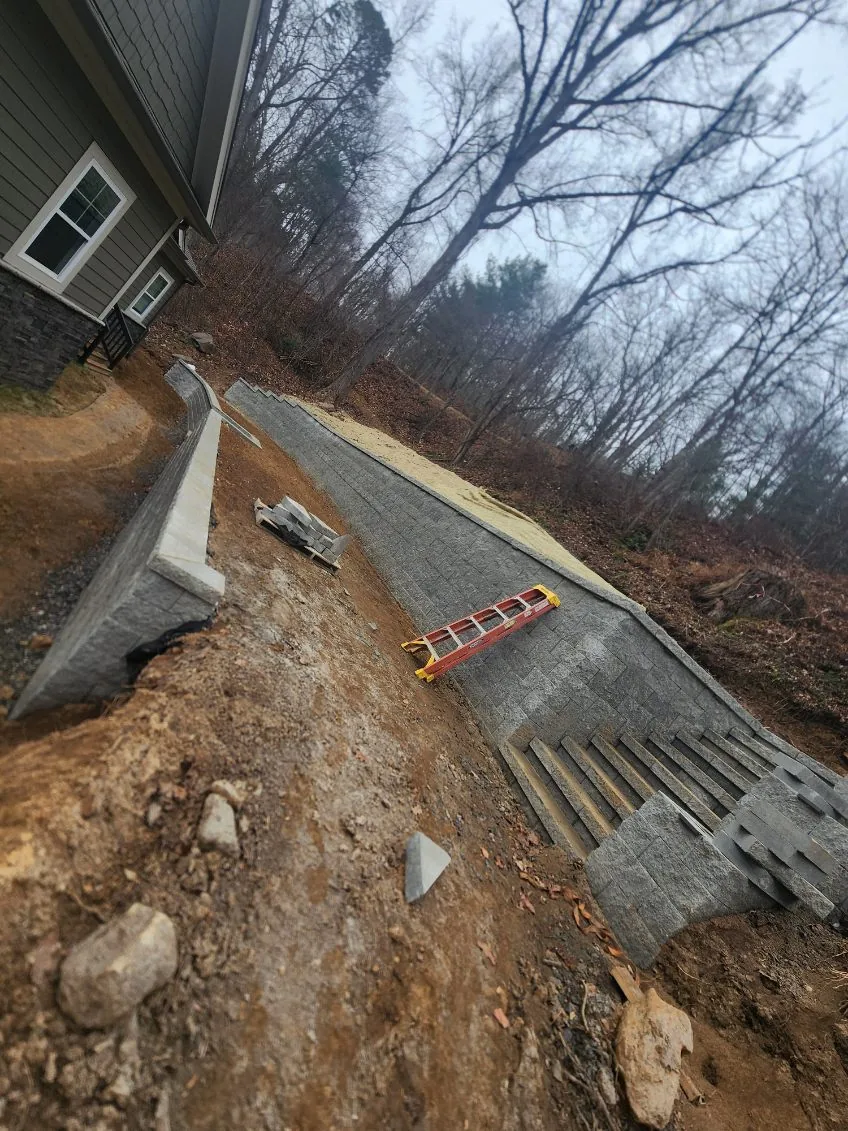
Most fire pit calls in this town turn out to be half fire pit, half wall. That is not a sales tactic; it is the terrain. If the pit needs a level pad, and the only way to get one is a short wall on the downhill side, you are now pricing two structures. That is exactly when a builder should talk to you about retaining wall contractors and whether the wall needs its own permit and engineering, which depends on height and surcharge, not on how nice it looks.
Structural walls over a certain height, and any wall carrying a load from above, fall under the state's general contracting licensing rules administered by the NC Licensing Board for General Contractors. Ask any builder how they handle the wall-to-pit connection. The crews that already think about pinned courses and drainage behind the wall are the ones you want. When you are comparing designs, the fire pit gallery and options walk through the shapes and materials that hold up on a Western North Carolina slope.
Firing it up safely on a wooded lot
Black Mountain sits in dense hardwood country, and most homes have trees close enough to worry about. Clearance is the first rule: keep the pit well away from low branches, fences, and any structure, and never build under a roof overhang or a covered porch without checking the rules. The EPA publishes guidance on wood smoke and air quality that is worth a look if anyone in the household has breathing issues, since a poorly designed pit smolders instead of burning clean.
Material matters too. Mortared stone, brick, and block are the right choices. Avoid river rock and any stone that can trap moisture and spall or pop when heated. Build the base on compacted, undisturbed ground, not on backfill that will settle and tilt the ring within a season. And screen the pit if open burning bans are a summer reality here, because they are.