Before you spend a dollar, read the wall you already have
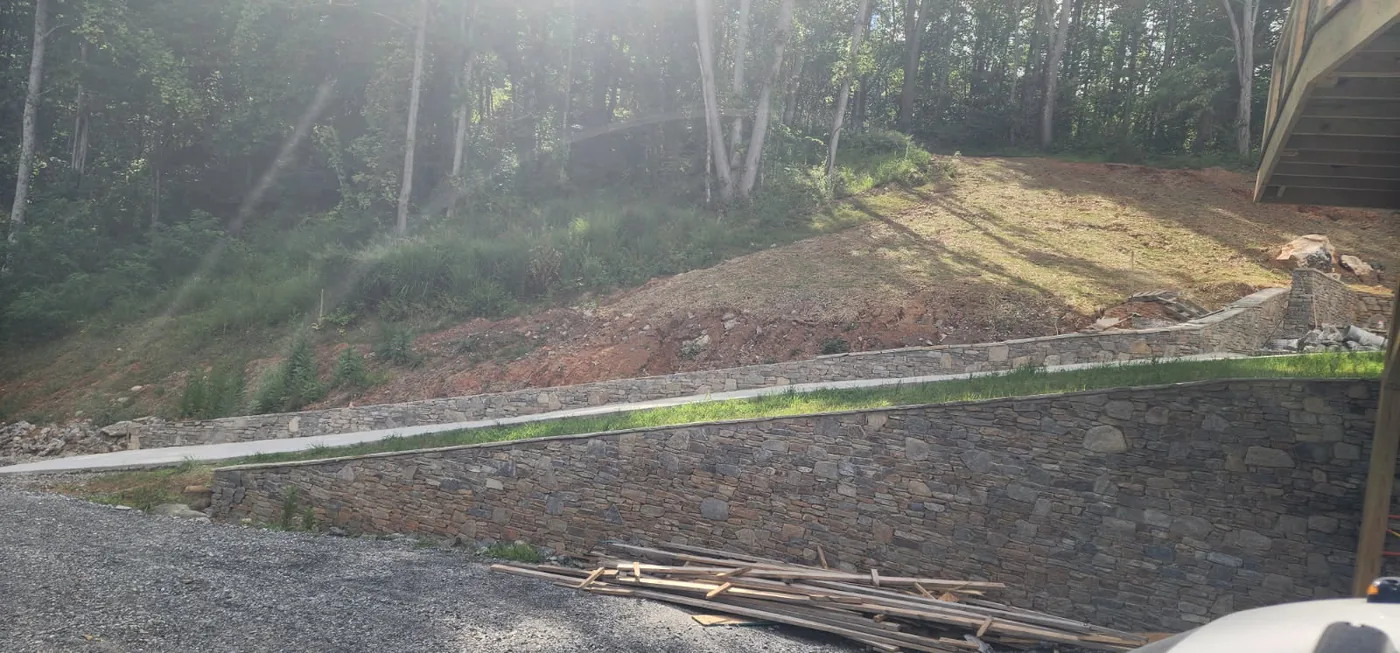
A timber wall behind a 1970s ranch off Pisgah Highway that has started to lean is rarely a repair candidate — the wood is rotting from the inside and the fix is replacement. A dry-stacked stone wall on a Candler hillside that shifted after a wet spring is often a rebuild-in-place situation: the stone is fine, the base course isn't. And a block wall along a driveway that cracked in one horizontal line is usually telling you about water, not about the block. Reading the material, the age, and the failure pattern before you call anyone is the difference between a $900 drainage fix and a $12,000 wall you didn't actually need.
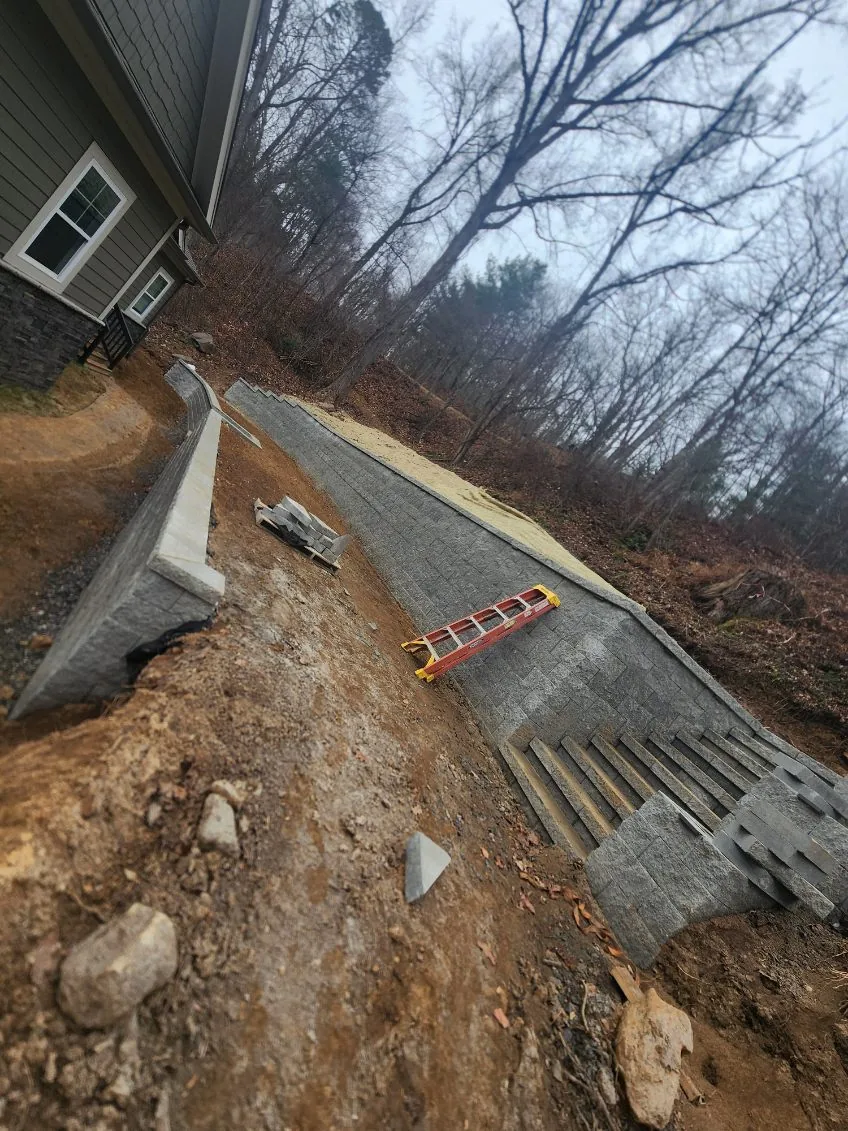
The tells that matter: bulging (soil pressure), horizontal cracking (footing failure), stair-step cracking (settlement), and any wall that has moved more than an inch out of plumb over a single season. Walls under three feet tall on level ground are usually forgiving. Walls holding a cut slope above a house are not.
Candler's ground changes the answer
Candler sits west of Asheville in Buncombe County, in the folds between Hominy Valley and the Pisgah National Forest boundary. That means two wall problems dominate locally: cut slopes above driveways and homes, and drainage walls near the creeks and branches that feed Hominy Creek. The federal disaster record for this county underscores the point — 19 declared events touch Buncombe across 1973-2026, and the overwhelming majority are storm and flood family. Each one loaded water into walls that were built assuming drier soil.
So a wall that looked fine for fifteen years can bulge after one saturated spring. Before any repair proposal, the water question comes first: where does uphill runoff go, does the wall have working weep holes or drainage gravel, and is the footing still below frost line. Those three answers decide whether you're repairing a wall or managing a watershed that happens to run through one.
What repair actually costs here
Cost tracks scope, not wall length alone. A short timber wall with failed drainage is a different job from a 60-foot block wall that has rotated. The working table below reflects what Candler and the surrounding Buncombe County market typically sees — see the full Buncombe County cost breakdown for how slope, access, and material shift these numbers.
| Scope of work | Typical range |
|---|---|
| Drainage-only fix: weep holes cleared, gravel trench added behind wall, grading corrected | $850–$2,400 |
| Partial rebuild: top two courses reset, cap replaced, drainage restored | $1,800–$4,500 |
| Full rebuild in place: stone or block reused, new footing, new drainage | $6,000–$18,000 |
| New engineered wall replacement (block, taller than 4 ft) | $45–$85 per face foot |
| Timber wall to block conversion on a sloped lot | $55–$110 per face foot |
Walls taller than four feet, or any wall holding a slope above a structure, usually need an engineered design and a permit. The NC Licensing Board for General Contractors sets the threshold where a licensed GC must be involved, and it's worth confirming before you sign anything.
When you can repair, and when you can't
Repair is realistic when the wall is under four feet, the failure is water-driven rather than footing-driven, and the original material is still sound. Masonry and stone walls over thirty years old with one clean horizontal crack often fall here. Timber walls almost never do — once rot starts in the buried courses, there's nothing left to attach to.
Rebuild is the honest answer when the wall has rotated out of plumb, when the footing has moved, when the wall retains a slope above a house or driveway, or when the material itself is degraded. On Candler's steeper lots, the rebuild often ends up taller and deeper than the original because modern drainage and footing standards demand it. The International Code Council publishes the model provisions that most local amendments start from, and they treat retaining structures as load-bearing elements, not decoration.
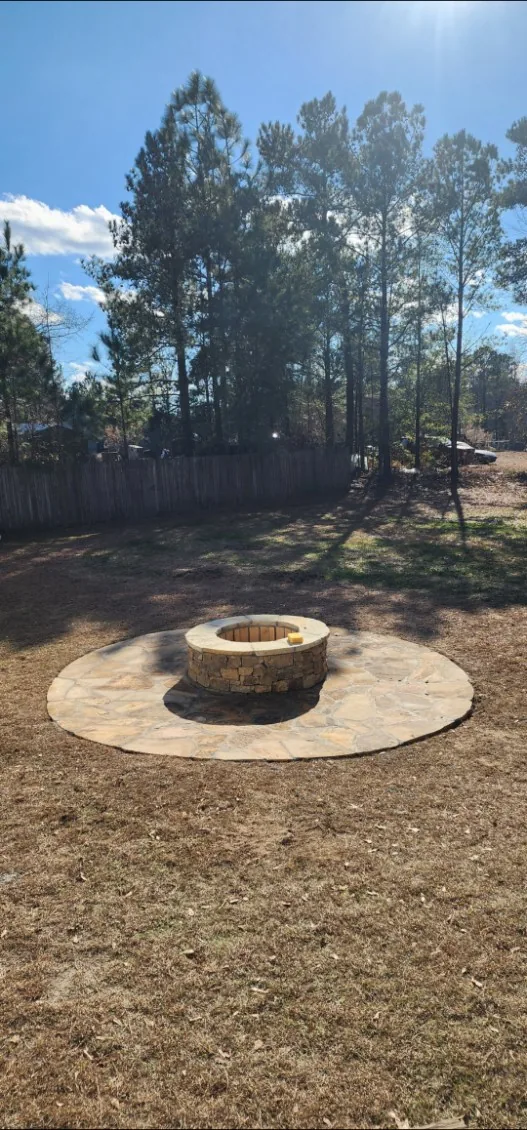
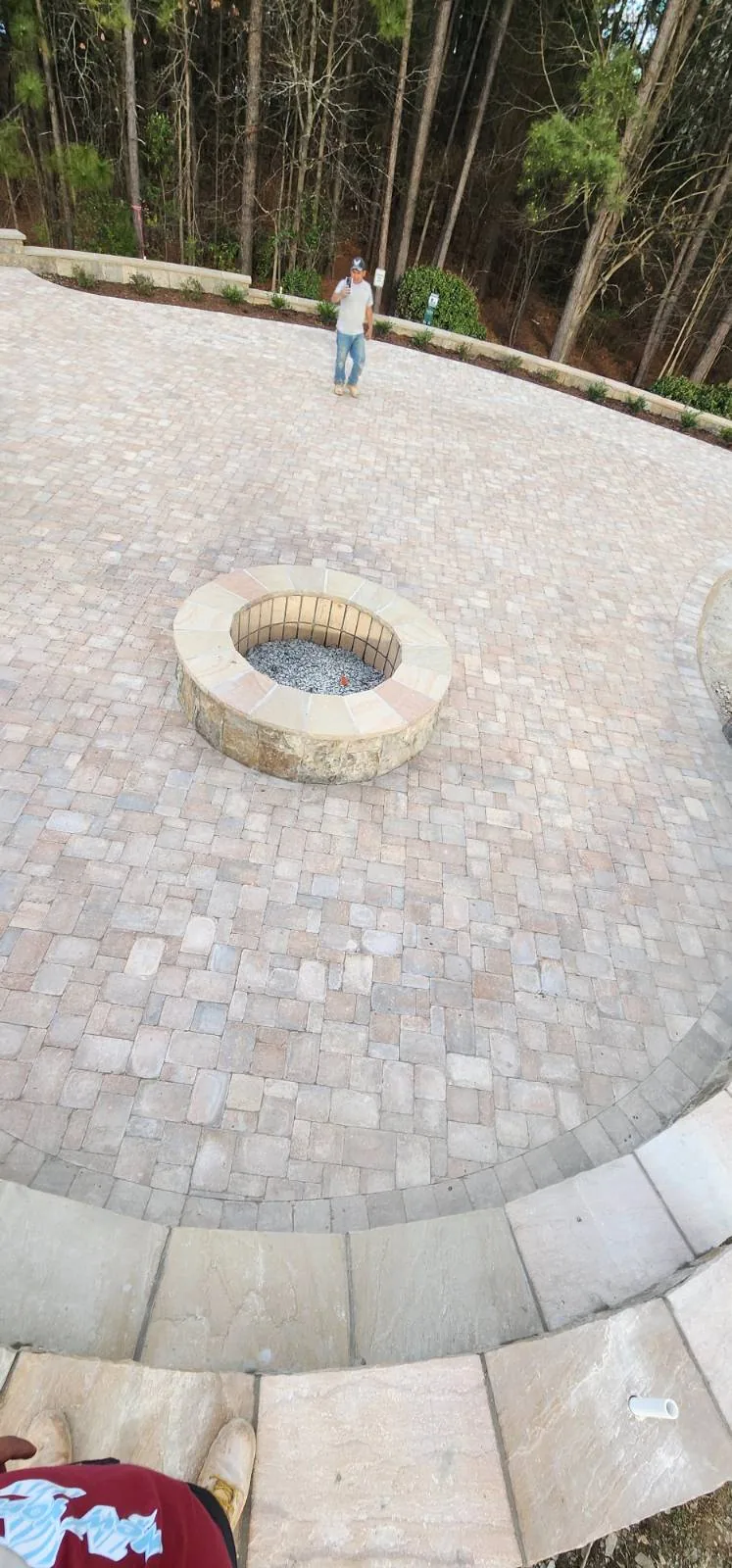
If your project touches a patio, walkway, or outdoor feature built against the same slope, it makes sense to look at the whole assembly at once — the retaining wall repair overview walks through how to scope that.
Choosing a crew in this market
Three questions worth asking any Candler wall contractor: has the crew built on a slope this steep, does the bid include drainage as a line item rather than an afterthought, and will they put the footing depth and gravel spec in writing. A bid that names only the wall and not the water behind it is incomplete. The Candler wall contractor guide covers what to look for in references and what a complete written scope includes.
If the repair also involves moving a water line or a gas fixture behind the wall, the NC State Board of Examiners of Plumbing, Heating & Fire Sprinkler Contractors licensing rules apply and your contractor will need to coordinate that separately. And if the wall work disturbs more than an acre of sloped ground, stormwater rules via the EPA may enter the conversation.