The odd-shaped lots above the river set the price here
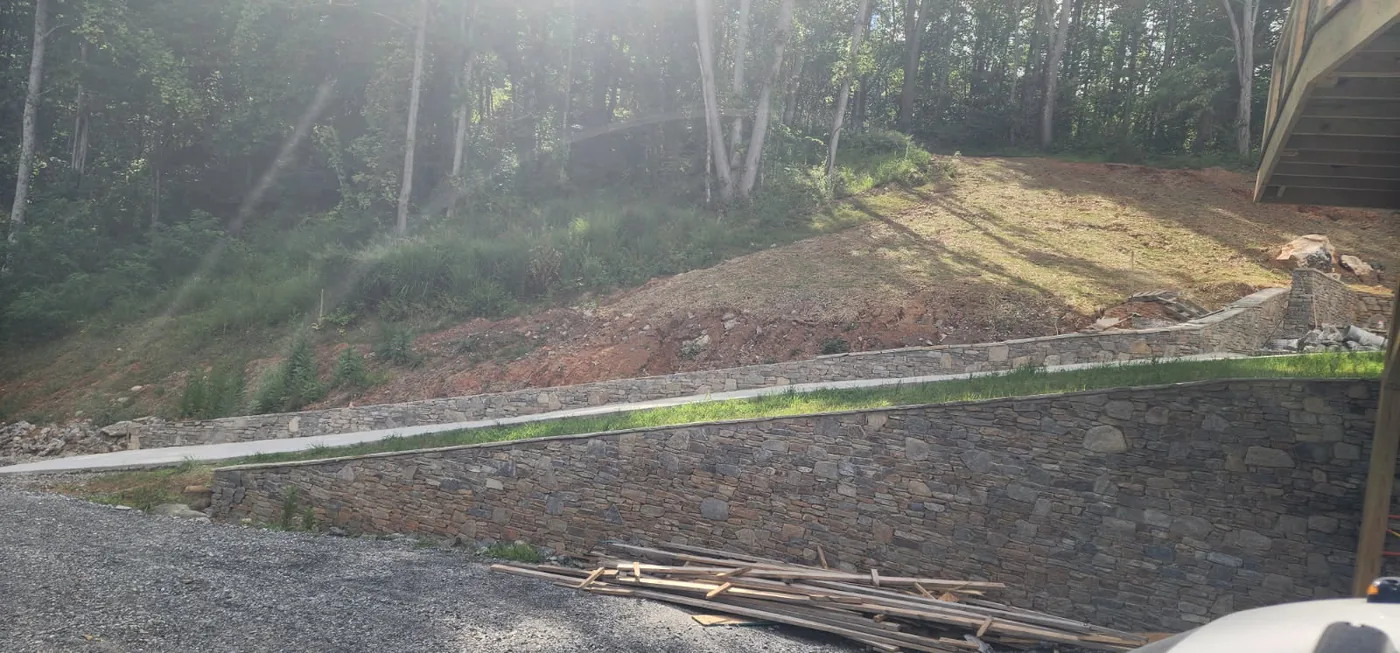
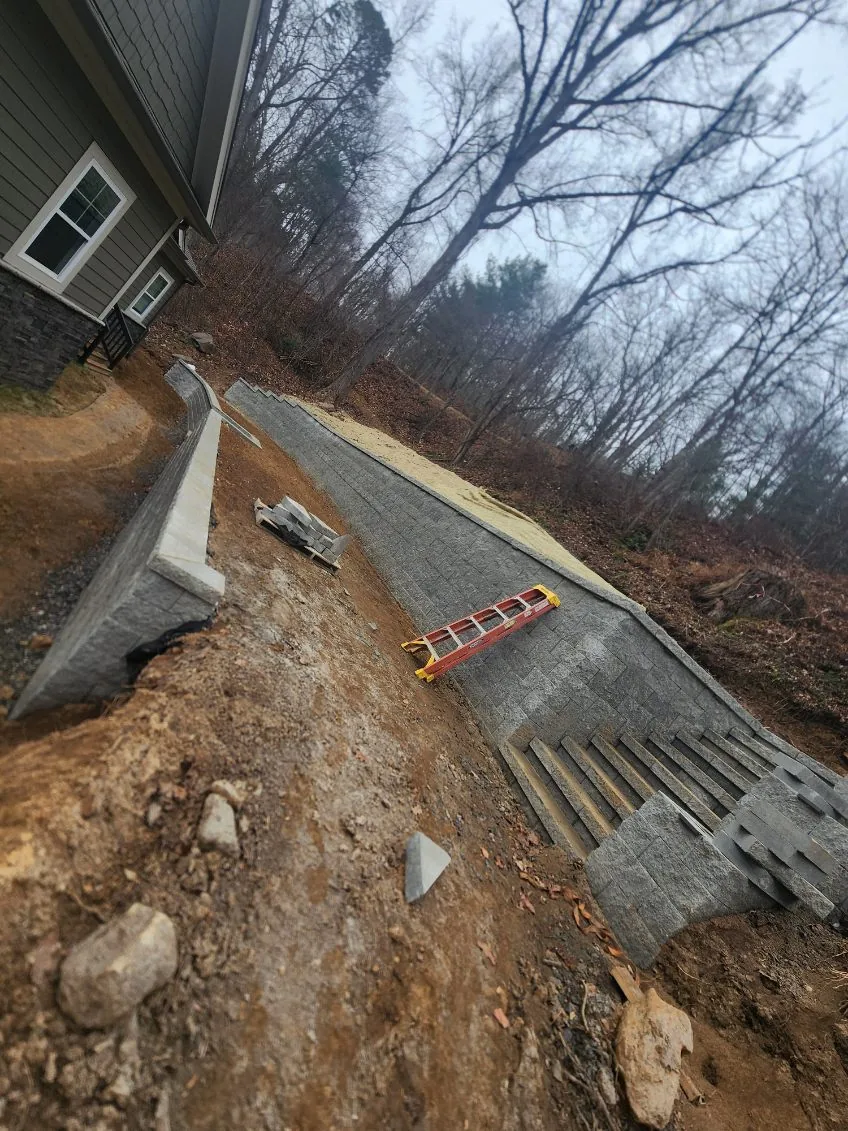
Stone veneer work in the Asheville area is shaped by lot geometry more than by the stone itself. The historic grid running out from downtown sits on tight urban parcels where there's barely room to stage a pallet of veneer, let alone park a mixer and a boom lift. Climb into the older hillside neighborhoods and the lots narrow into irregular wedges pinned between a switchback road and a retaining wall, so scaffolding has to be built into the slope rather than set on flat ground. Out past the city line in the county, lots get bigger but the access roads get tighter and steeper, and a loaded stone truck may not make the last hundred feet to the wall.
That matters because stone veneer is heavy and slow. A manufactured stone veneer weighs roughly a third to a half of what full-dimension natural stone does per square foot of wall, and the weight difference changes what you need for substrate, ties, and handling. On a flat suburban lot, the crew walks material to the wall. On a lot cut into a ridge, every pallet rides a lift or gets carried by hand, and that labor shows up in the quote even when the wall itself is simple.
So when you compare a stone veneer installation cost in NC against a number you found for a flat state, the difference is rarely the stone. It's the dirt, the slope, and the distance from the truck to the wall.
What the work actually costs, wall by wall
The ranges below are honest working bands for the Asheville area, installed, including typical substrate prep and a code-compliant drainage plane behind the veneer. They are not quotes. Material choice and access move the number more than anything else.
| Scope of work | Typical installed range | What drives it |
|---|---|---|
| Manufactured stone veneer, interior accent wall | $12 – $22 per sq ft | pattern, corners, trim, ceiling height |
| Manufactured stone veneer, full exterior wall | $14 – $26 per sq ft | scaffolding, weather barrier detail, wall height |
| Natural thin stone veneer, exterior | $18 – $32 per sq ft | stone type, pallet waste, cutting time |
| Full-dimension natural stone (thick) | $30 – $55+ per sq ft | weight, structural support, masonry labor |
| Stone wainscot or partial wall accent | $16 – $28 per sq ft | cap detail, transitions, percentage of wall covered |
| Steep-lot or limited-access surcharge | adds roughly 15% – 40% | lift rental, hand-carry, staging distance |
A common real-world job — a manufactured veneer accent on a fireplace face and one exterior gable — often lands in the low thousands. A full exterior wrap on a two-story elevation climbs fast, and once you're into full-dimension natural stone, the structural prep alone is a conversation. Our stone veneer service overview walks through material types and where each one fits.
Why wet mountain weather changes the build
Buncombe County sits in a pocket of the Blue Ridge that catches a lot of moisture, and the federal record backs up what every local mason already knows from working outside: 19 federally declared disaster events have touched this county over a span of 1973-2026 years, and storm and flood families dominate that list. A veneer wall here isn't a decorative skin you can install like it's Phoenix. Water gets behind a wall and needs a path out, which means a proper drainage plane, weep screed at the base, and flashing detailing at every penetration. Skip those and the freeze-thaw cycles the mountains run through will find the weak point within a few winters.
This is also why the substrate question isn't optional. Manufactured stone veneer installed over a wrong substrate or with the wrong fasteners can trap moisture against the sheathing. The correct sequence — weather-resistive barrier, corrosion-resistant lath properly fastened, scratch coat, then stone with a drainage gap maintained — is what makes the wall last. If a bidder can't explain how water escapes the base of the wall, they're pricing a decorative finish, not a masonry system.
For walls tied to living space — the fireplace faces that are such a fixture in these older homes — the same water logic applies indoors. See our stacked stone fireplace work for how that detailing differs when the wall is inside.
Codes, clearances, and the licensing line
Veneer installation is covered by the masonry and adhered-veneer provisions of the model codes, adopted in North Carolina through the state's residential and building code process. The relevant standards are published by the International Code Council, and the state's code services office under the NC Department of Insurance administers how they're applied. Practically, that means the minimum requirements for lath, fastener spacing, clearance above grade, and flashing are code items, not preferences — and a wall built without them is a failed inspection waiting years to happen.
On the business side, North Carolina sets a licensing threshold for general contractors through the NC Licensing Board for General Contractors. A pure veneer accent job usually falls under that line. A larger project — a full exterior stone wrap combined with structural changes to support full-dimension stone, or a fireplace rebuild — can cross the threshold and require a licensed general contractor to pull the permit. Ask which side of that line your project sits on before signing, because the answer changes who's legally responsible for the work.
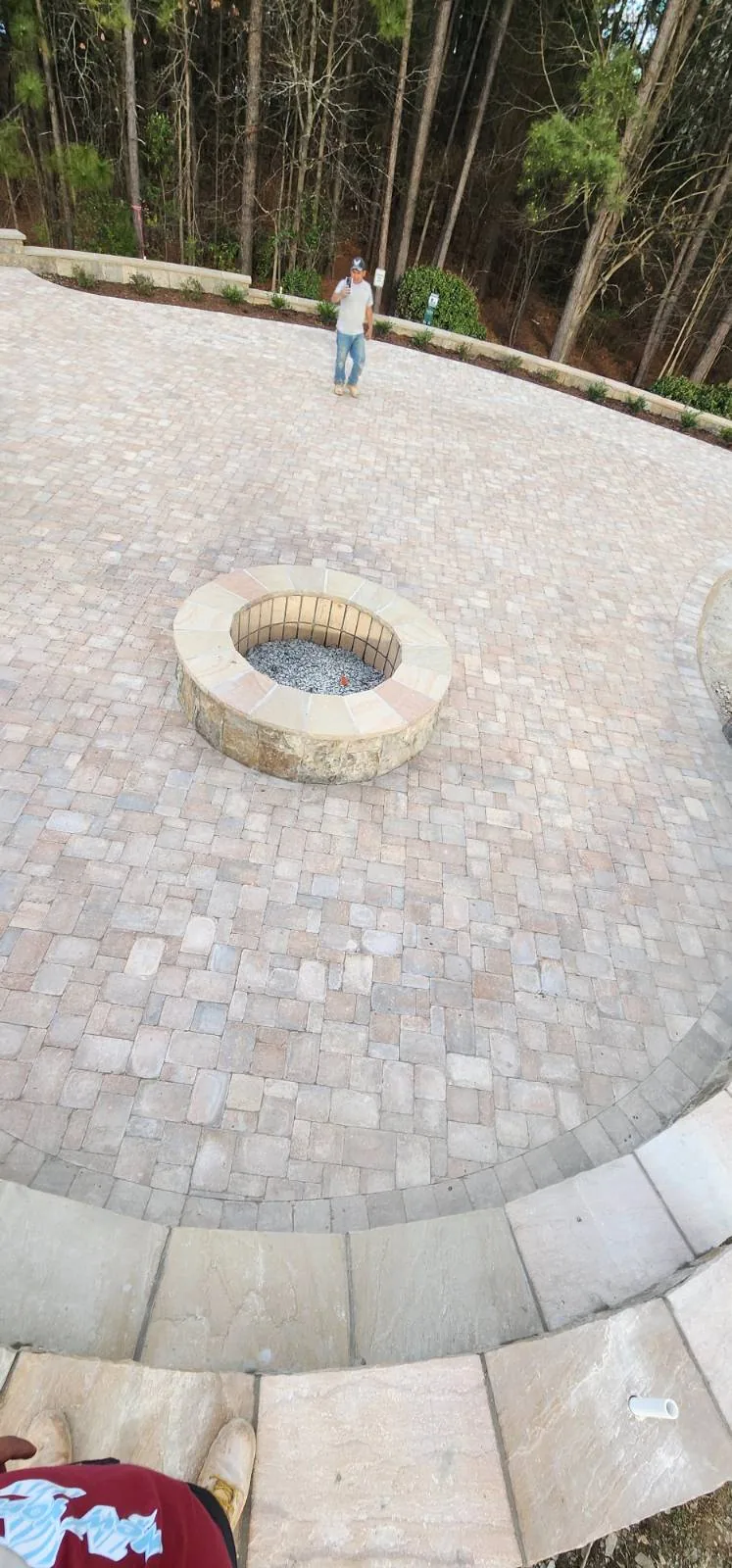
Also worth knowing: exterior work that adds a hard surface affects how water leaves the site. If a large new paved or veneered area changes runoff, county or city stormwater review can come into play, and the EPA publishes the background on why impervious surface and runoff matter. It's rare for a veneer project alone to trigger it, but on a steep lot where you're also adding a patio or walk, the totals can add up.
How to compare bids without getting burned
Three things separate a real bid from a guess in this market:
- Ask what's behind the stone. A quote that names the veneer type but says nothing about the drainage plane, lath, or flashing is a quote for half the job.
- Price by the square foot and by the linear foot of corners. Corners are slow, cut-heavy work, and a bid that lumps them into the wall square footage is hiding where the overage will land.
- Make them walk the access. On a ridge lot, have the bidder stand at the truck drop point and explain how material gets to the wall. That single conversation tells you whether the labor number is real.
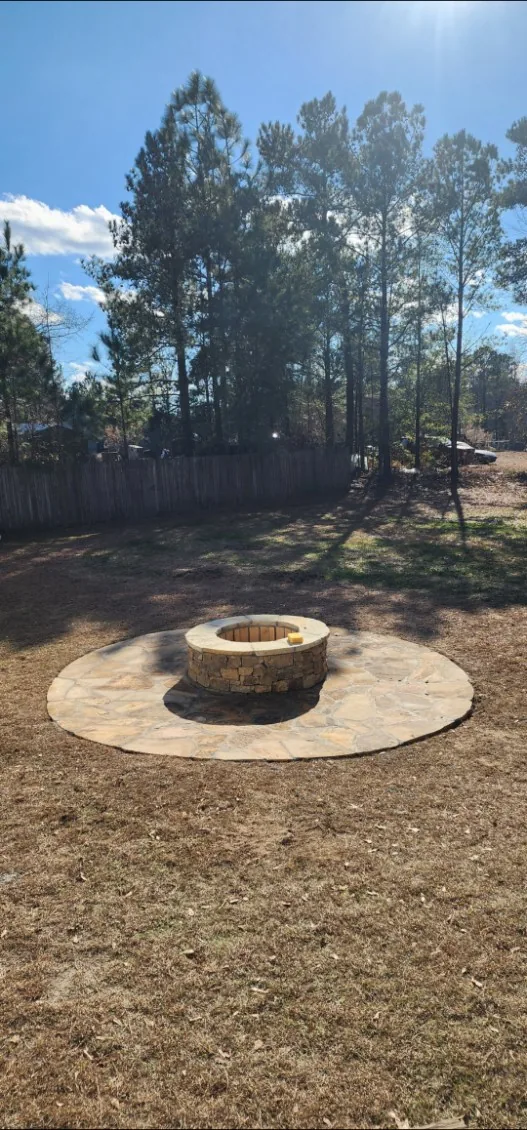
If you're weighing a stone veneer project against a freestanding outdoor fireplace, the cost structure overlaps enough to compare side by side — our outdoor fireplace cost breakdown covers those ranges, and the stone veneer page has the material-by-material detail.